Transforming the Workplace: The Evolution and Benefits of HR Systems
Human Resource (HR) systems have undergone a dramatic payroll system malaysia transformation in recent years, significantly improving the way organizations manage their most valuable asset—their people. From manual processes to integrated digital platforms, HR systems now encompass a wide range of functions designed to streamline recruitment, employee management, payroll, benefits, and performance tracking. These systems not only increase efficiency but also help organizations create a more employee-centric environment, leading to improved satisfaction and retention. In today’s fast-paced business world, adopting a comprehensive HR system is no longer optional—it is essential for long-term success.
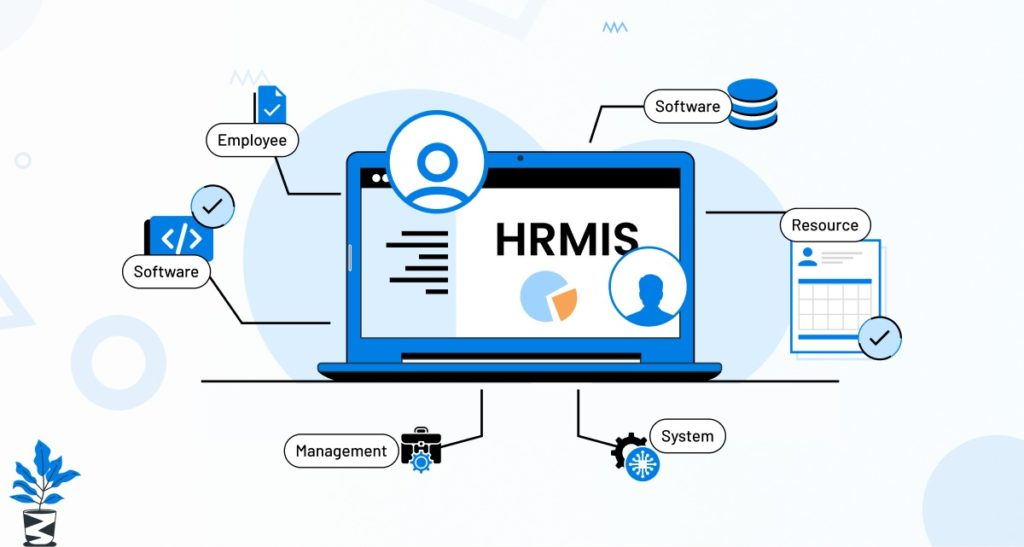
The core advantage of modern HR systems lies in their ability to automate routine tasks. Administrative duties such as payroll processing, tax filing, and attendance tracking can now be handled with minimal human intervention. Automation reduces the risk of errors and frees up HR professionals to focus on strategic tasks, such as employee development and organizational planning. With an integrated system, businesses can ensure that HR functions are executed smoothly, leading to significant time savings and a reduction in operational costs. Additionally, automation enables faster decision-making, as managers can access real-time data on employee performance and attendance.
Another significant benefit of HR systems is their role in enhancing employee engagement and satisfaction. These platforms often include features that allow employees to track their own performance, request time off, and access company benefits with ease. By empowering employees to manage their own HR needs, organizations promote a sense of autonomy and responsibility. Furthermore, modern HR systems often include tools for performance management, enabling regular feedback, goal setting, and personalized development plans. These features help organizations foster a culture of continuous improvement, ensuring that employees feel valued and supported in their roles.
Data security and compliance are also critical concerns that HR systems address. With the increasing complexity of labor laws and data privacy regulations, HR systems provide a secure environment for storing and managing sensitive employee information. Cloud-based HR systems, in particular, offer robust security features, including encryption and multi-factor authentication, ensuring that data remains safe from cyber threats. Compliance tools within these systems help HR departments stay up to date with changing regulations, minimizing the risk of legal complications and penalties. This is especially important for businesses with international operations, as HR systems can accommodate different labor laws across regions.
In conclusion, the implementation of an advanced HR system brings a multitude of benefits that go beyond just administrative efficiency. By automating routine tasks, enhancing employee engagement, ensuring data security, and promoting regulatory compliance, HR systems allow organizations to focus on what truly matters—building a strong, motivated workforce. With the continuous evolution of HR technology, businesses have the opportunity to further improve their HR processes and create an environment that attracts, develops, and retains top talent. As the workplace continues to evolve, HR systems will play an increasingly pivotal role in shaping organizational success.
You May Also Like

The Power of Preparation, Opportunity, and Inspiration in Bos555

Discovering Good Fortune and Opportunity with Agen123
